Introducing Three New Mindful Art Kits for Children
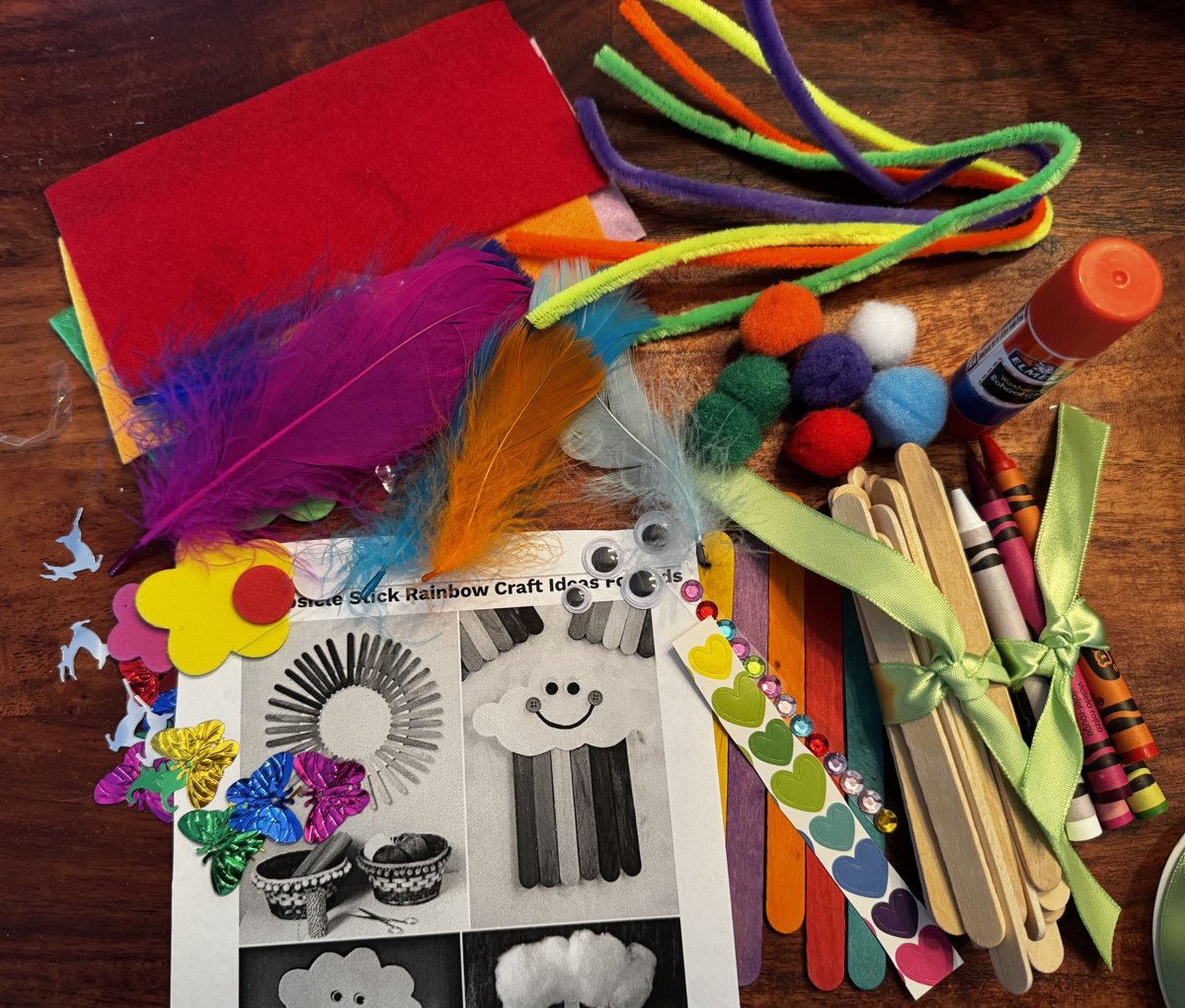
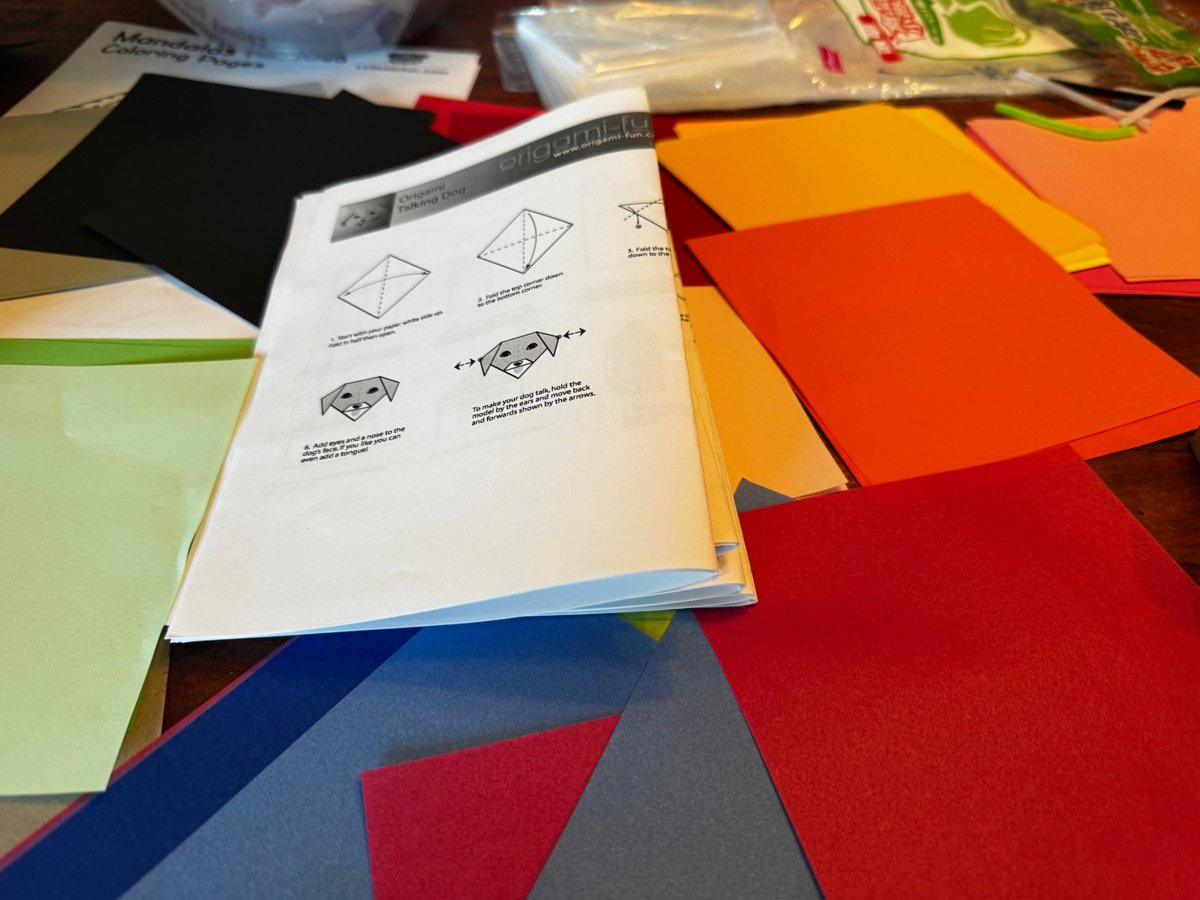
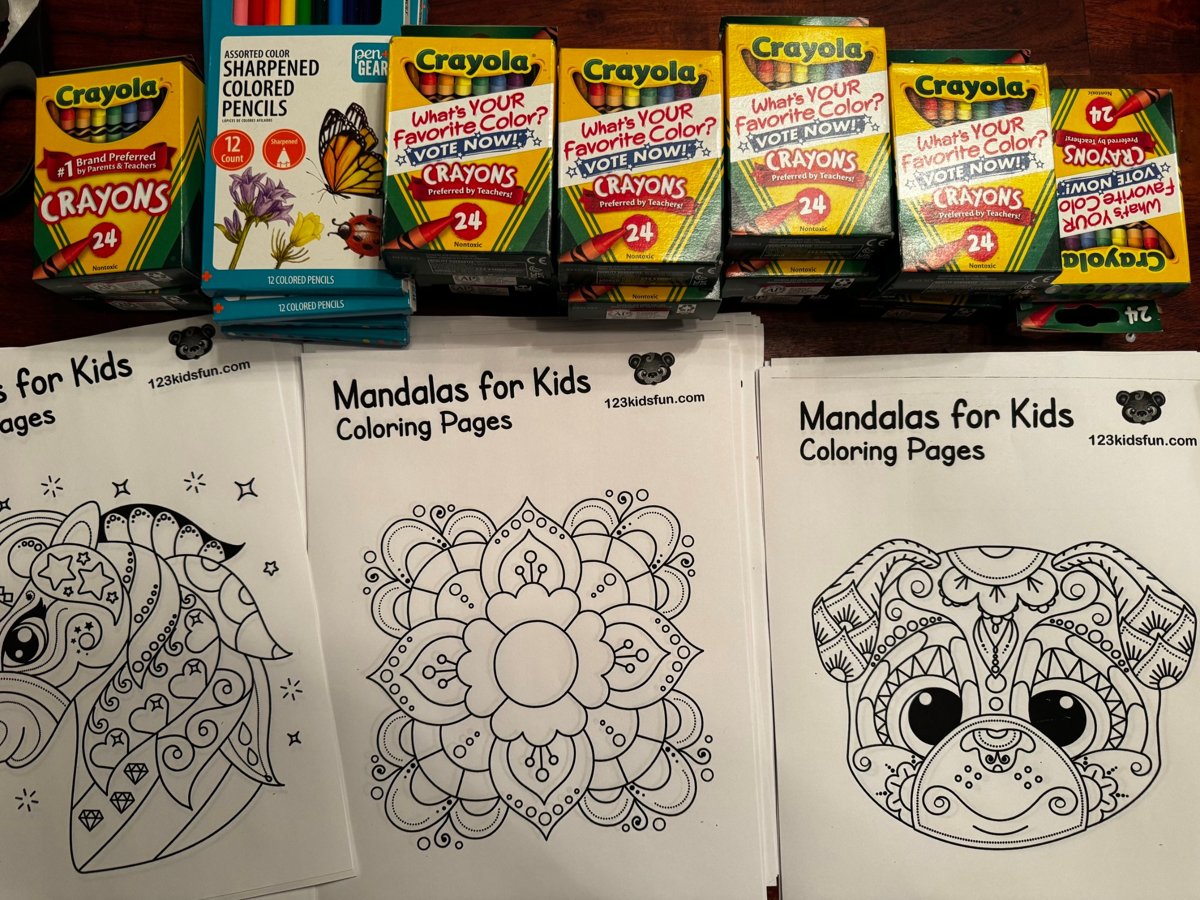
We have expanded beyond our mental health and nutrition kits to offer three new art kits for children. Each kit is hands-on and designed to help kids build focus and practice mindfulness.
Popsicle stick kits include popsicle sticks, glue, and instructions for building flower vases and pots, wall art, and structures like log cabins, houses, birdhouses, and bridges. Kids practice fine motor skills as they glue and position each stick, and they plan and problem-solve as a structure takes shape. Building takes patience and steady focus, and kids finish with something they made themselves and can keep or use.
Origami kits include 10 to 12 sheets of origami paper and instructions for four models: a jumping frog, a flapping bird, a dog, and a horse. Each model comes together one fold at a time, so kids practice following step-by-step directions, careful hand movements, and patience. The repetitive folding is calming, and models that move, like the jumping frog and flapping bird, make it fun to keep practicing.
Mandala art kits include mandala art pages along with a pack of colored pencils or crayons. The repeating patterns invite slow, steady coloring that helps kids settle and focus. There is no right or wrong way to finish a page, so kids can choose colors freely and express themselves without pressure.
The first batch of kits has been delivered to our partner, the Ecumenical Hunger Program, in East Palo Alto, CA.
Henri Smit to Co-Teach Youth Mental Health Workshop at Sacred Heart's Community Health & Resource Fair
Our founder, Henri Smit, will co-teach a youth mental health workshop for San Jose area community youth at Sacred Heart Community Service's upcoming Community Health & Resource Fair. The free event is scheduled for Saturday, August 29, from 11:00 AM to 1:00 PM at Sacred Heart Community Service, 1381 S. First Street, San José, CA 95110.
Alongside the workshop, the fair will offer free blood pressure checks, free blood sugar and A1C diabetes tests, one-on-one conversations with a nutritionist, and health tips and educational classes for the community.
See the event details →Recap: AACI Back to School Health Fair
Healthy Santa Clara held a resource table at AACI's Back to School Health Fair on Saturday, August 8, at the AACI Community Health Center in San Jose. Asian Americans for Community Involvement (AACI) has built over 50 years of deep community trust in Santa Clara County, and tabling alongside them opened doors to deeper, long-term partnerships supporting K-12 students and immigrant families.
Our booth brought hands-on wellness education to families, including wellness kits with nutrition guides, tools for naming emotions, calming breathing techniques, and non-spinning fidget toys. Kits were available in Spanish, Chinese, Vietnamese, and English, and we gave away hundreds of them.
According to AACI, the fair as a whole drew an estimated 1,100+ attendees, distributed 700 backpacks, and brought together 45 partner organizations and offices, including ours, offering free health and dental screenings, school supplies, complimentary youth haircuts, food trucks, and live cultural performances.


Recap: Partnering with the Ecumenical Hunger Program on Nutrition & Wellness for Kids
Healthy Santa Clara partnered with the Ecumenical Hunger Program (EHP) to bring healthy nutrition resources, summer exercise kits, and mental health leaflets to local children. The partnership included tables at two community events: National Night Out on August 4th and the 20th Annual Blockfest and Community Back-to-School Celebration on August 8th.
In addition to the event tables, on an ongoing basis, we provide healthy recipes and nutrition tips to accompany EHP's food boxes, helping families make the most of what's inside.


Recap: Representing Healthy Santa Clara at Lead Beyond
On Friday, July 31, Henri joined Sacred Heart Community Service's delegation at Lead Beyond, a day of civic engagement programming held at Almaden Country Day School (ACDS) that brought together educators, youth leaders, and community partners to move from disconnection to active engagement, through Think Tank collaborations and student-led discussions.
As part of the day, Henri co-led a youth mental health workshop, "Supporting a Friend," teaching a simple Listen, Validate, Connect framework for peer support: give full attention without interrupting, acknowledge what the other person is feeling, and help them identify a trusted adult or resource to reach out to. Workshop materials carried both the Healthy Santa Clara and Sacred Heart Community Service logos. Lead Beyond was organized in partnership with Sphere Education Initiatives and the National Youth Leadership Council (NYLC), and hosted by ACDS.


Healthy Santa Clara Briefed Senator Cortese's District Representative and Invited to the Unhoused Health Fair
Healthy Santa Clara recently had the opportunity to meet with and brief Senator Dave Cortese's district staff, sharing our research findings and an overview of our program work. Beyond this initial education and awareness collaboration, we've been invited to host a table at the Senator's next Unhoused Health Fair, an annual event that provides health-related resources and services to an estimated 450–500 individuals experiencing homelessness.
The fair brings together dozens of nonprofit, city, county, and state partners to offer services like health screenings, harm reduction resources, and meals to attendees. Healthy Santa Clara's table at the next fair, planned for Winter 2027, will be an opportunity to extend our data and outreach directly to one of the county's most underserved populations.
Partner with us →Recap: Teaching Data Analysis & Community Betterment at Solidarity Summit
On April 11, Henri launched a new workshop, "Data Analysis & Community Betterment," at the 7th annual Solidarity Summit, hosted by Sacred Heart Community Service. Over 200 youth and young adults learned how raw data can be turned into measurable, real-world impact, exploring how to take community-focused ideas and ground them in evidence.
Data isn't just for tech companies. It's one of the most powerful toolkits available to advocate for equity and drive social change, especially in the hands of the next generation of community advocates.
Read about Solidarity Summit (Re)Imagine →San Mateo County data now live
Our analysis tool now includes San Mateo County, expanding coverage to a second Bay Area county with striking parallels to Santa Clara. Early findings show similar east-west disparities, with East Palo Alto, tracts in Redwood City, and Half Moon Bay recording the highest composite risk scores in the county. As in Santa Clara, the data points to behavioral health and housing insecurity as the leading drivers, reinforcing that these are regional patterns, not isolated local conditions. The expanded tool is available now.
Two intervention projects focused on San Mateo County are kicking off this summer. If your organization is interested in getting involved, we would love to hear from you.
Get in touch →